Ashab e Kahf | The Timeless Story of Faith, Courage, and Divine Protection
Every once in a while, a story rises from the pages of history and speaks directly to our hearts. For Muslims across the world — and especially for those trying to live their faith in a modern, fast-paced environment — the story of Ashab e Kahf (أصحاب الكهف), “The People of the Cave,” is one of those stories.
It isn’t just an old tale told to children. It’s a living lesson on faith, patience, and how Allah’s protection can surround those who refuse to compromise their beliefs, no matter how strong the pressure becomes.
What Is the Story of Ashab e Kahf?
Long before our modern world of distractions and convenience, a group of young believers stood against the tide of disbelief. Their story is mentioned in Surah Al-Kahf, verses 9 to 26, and their courage continues to inspire millions.
These young men lived in a time when their people worshiped idols and rejected the message of monotheism. Despite being from noble families, they turned away from false gods and openly declared their belief in Allah alone. When their king threatened them with punishment, they chose exile over disobedience to their Creator.
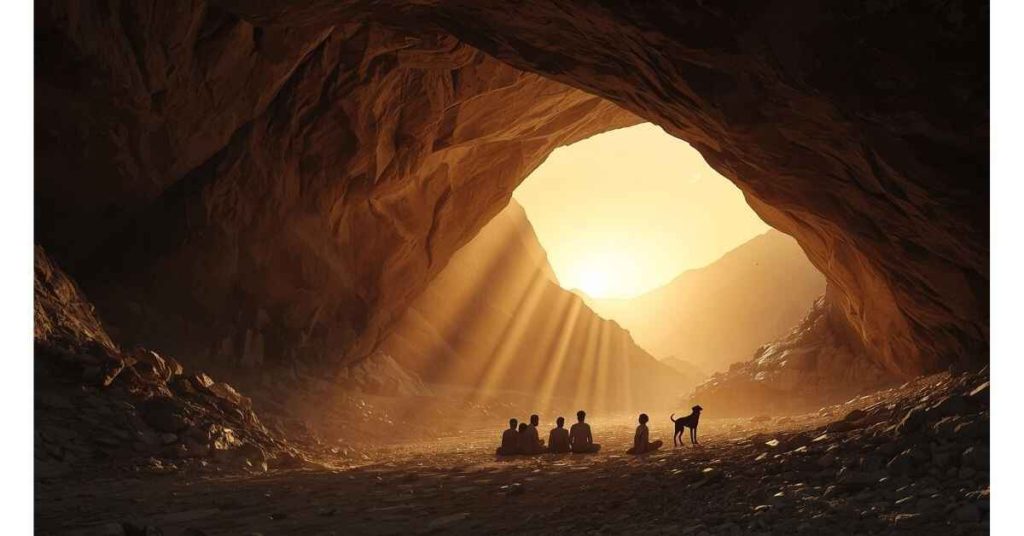
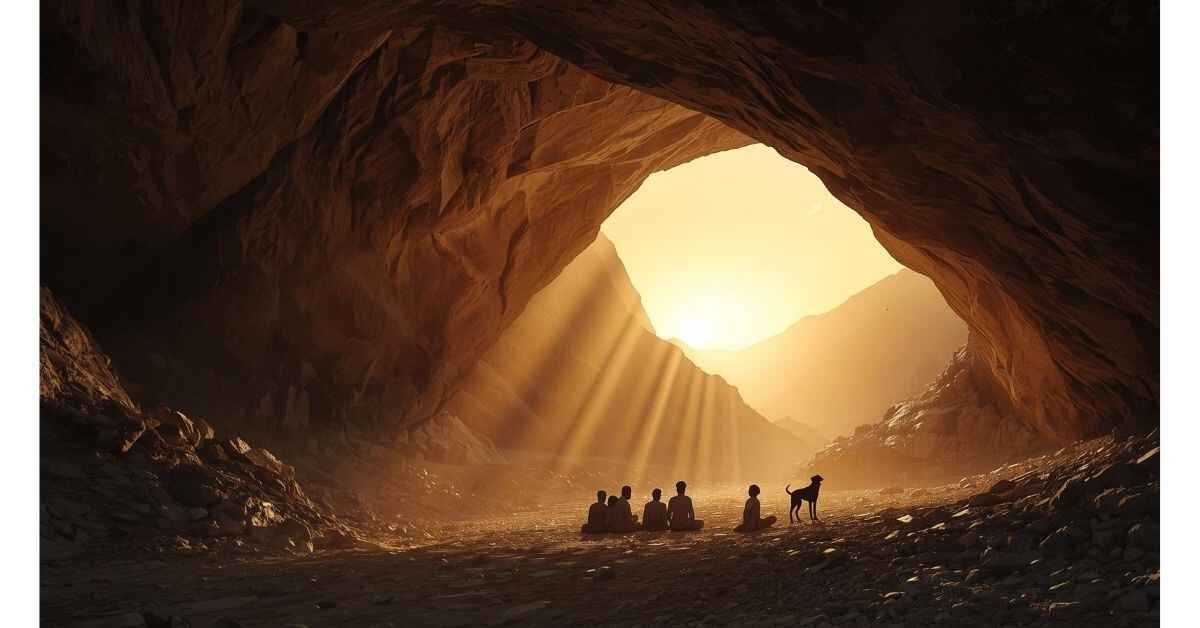
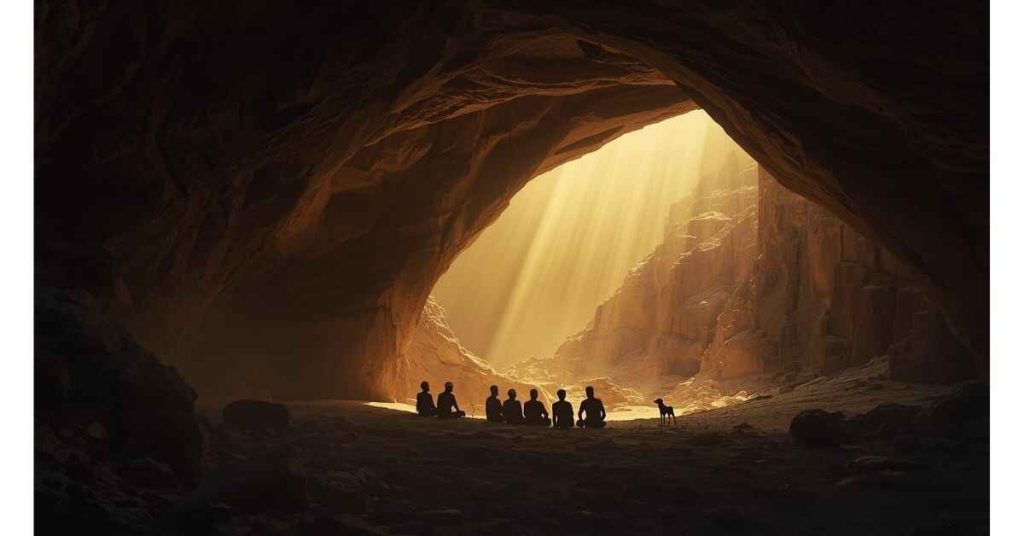
They fled the city and found refuge in a cave, praying for Allah’s mercy and guidance. Allah accepted their sincere prayer — and caused them to fall into a deep sleep that lasted centuries.
Ashab e Kahf Slept for How Many Years?
The Qur’an beautifully records this miracle:
“And they remained in their cave for three hundred years and exceeded by nine.” (Surah Al-Kahf 18:25)
That’s 309 years — a period so long that their entire city and civilization had changed. When they finally woke up, they thought they had slept only a few hours. But when one of them went out to buy food, he found the world around him unrecognizable. The people were believers now, and his centuries-old coin was an artifact.
The divine sleep of Ashab e Kahf reminds us that time belongs only to Allah — He controls the moments, years, and generations that pass by.
The Faith That Moved Mountains
What makes the story of Ashab e Kahf so powerful isn’t just the miracle of their sleep — it’s their conviction. They were young, surrounded by disbelief, yet fearless enough to stand for the truth.
Their faith was so pure that Allah preserved their bodies, their memory, and their story in the Qur’an for all time. For American Muslims today — living in a culture that often challenges faith and morality — this story feels especially relevant. It’s a mirror reminding us that courage in belief always pays off.
Names of Ashab e Kahf – Fact or Fiction?
Many people search online for “Ashab e Kahf names” or “7 names of Ashab e Kahf,” often finding lists like Muksalmina, Tamlikha, Martunis, and others. However, it’s important to know that the Qur’an and authentic Hadith never mention their names.
Islamic scholars explain that Allah chose not to reveal those details — because what truly matters is their faith, not their names or numbers. The Qur’an even says:
“Some will say, ‘They were three; their dog was the fourth,’ others will say, ‘Five; their dog was the sixth,’ … Say, ‘My Lord knows best their number.’” (18:22)
Still, in various traditions and cultures, these names appear as symbolic references. So while reading them can be interesting, remember — their story’s real power lies in their devotion, not in the names themselves.
The Loyal Companion – The Dog of Ashab e Kahf
Another touching part of the story is their loyal dog, who stayed faithfully at the cave’s entrance. The Qur’an describes:
“Their dog stretched his forelegs at the entrance.” (18:18)
This verse shows compassion even for animals that accompany the righteous. It’s a reminder that loyalty, sincerity, and faithfulness are virtues honored by Allah — no matter who displays them.
The Cave of Ashab e Kahf – Where Is It?
Over centuries, many regions have claimed to hold the real cave of Ashab e Kahf. The most well-known locations include:
- Amman, Jordan – near the village of Rajib, a cave discovered with ancient graves and inscriptions believed to match the Qur’anic description.
- Tarsus and Afşin, Turkey – where historical mosques and monuments were built near caves known as Eshab-ı Kehf.
- Ephesus, Turkey – also connected with the Christian version known as “The Seven Sleepers.”
While no one can confirm the exact cave, these places still serve as reminders of faith’s endurance across lands and centuries.
Ashab e Kahf Ki Dua – The Prayer That Changed Everything
The Qur’an quotes their heartfelt dua when they entered the cave:
“Our Lord! Grant us mercy from Yourself and guide us in our affair rightly.” (18:10)
This short yet powerful prayer, known as Ashab e Kahf ki dua, is recited by many Muslims seeking Allah’s help during difficult times. It’s a beautiful example of turning to Allah when the world feels unsafe or uncertain.
If you ever face challenges where your beliefs are tested, make this dua — it’s the same prayer that protected those young believers and became a symbol of divine mercy.
Lessons from Ashab e Kahf for Modern Muslims
The message of Ashab e Kahf goes far beyond history. It’s a spiritual roadmap for anyone trying to live by faith in today’s complex world.
- Stay firm even if you stand alone.
The Ashab e Kahf didn’t follow the crowd; they followed truth. - Trust Allah’s plan.
When they hid in the cave, they couldn’t see how Allah would save them — but He did, in a way no one expected. - Choose good company.
They found strength in each other’s faith. Real friends help you stay close to Allah. - Seek refuge in Allah, not the world.
They left behind comfort and status for the sake of belief.
Their story encourages every believer — especially Muslims living in secular or challenging environments — to find inner peace through connection with Allah, not conformity with society.
The Connection Between Surah Kahf and Ashab e Kahf
It’s no coincidence that their story lies at the heart of Surah Al-Kahf, a chapter the Prophet ﷺ encouraged us to read every Friday.
The Surah is filled with parables about trials of faith, wealth, knowledge, and power — all relevant to our lives today. The Ashab e Kahf symbolize the trial of faith, showing how belief can survive even under oppression.
If you haven’t read the chapter recently, start with the most famous sections below — they hold immense reward and protection:
- Read and reflect on the Surah Kahf first 10 verses — they protect believers from the fitnah (trial) of Dajjal.
- Don’t forget the Surah Kahf last 10 verses — they complete the spiritual shield for those who recite them weekly.
Both parts connect beautifully with the story of Ashab e Kahf — faith, endurance, and divine mercy.
Reading Surah Kahf: A Weekly Habit of Light
The Prophet Muhammad ﷺ said:
“Whoever reads Surah Al-Kahf on Friday, light will shine for him between the two Fridays.”
(Al-Hakim, Al-Bayhaqi)
If you want to make this practice easy, you can download Surah Kahf PDF or read all versions of Surah Kahf online — available in Arabic, Urdu, and English translations. Reading regularly helps you connect with the story of Ashab e Kahf while earning continuous reward.
Ashab e Kahf in Different Cultures and Languages
For many readers, especially in South Asia and the Middle East, this story holds a deep emotional bond. Versions like “Ashab e Kahf ka waqia in Urdu” or “Ashab e Kahf story in Hindi” circulate widely in books, videos, and online PDFs. They make the message more accessible to families and students learning about Islamic history.
Whether you read it in English, Urdu, or Arabic, the message remains the same — when faith is tested, Allah’s help is near.
A Living Lesson for Every Believer
The story of Ashab e Kahf is more than an ancient miracle — it’s a timeless reflection of what happens when faith meets courage.
In today’s world of digital noise, material success, and moral confusion, it teaches us to pause, reflect, and trust Allah completely. Even when you feel alone in your beliefs, remember: Allah never leaves the faithful abandoned.
Quick FAQs About Ashab e Kahf
Q: What does “Ashab e Kahf” mean?
A: It literally means “People of the Cave” — referring to the young men who sought refuge in a cave for the sake of their faith.
Q: Ashab e Kahf slept for how many years?
A: The Qur’an says 300 years, plus 9 more — a total of 309 years.
Q: How many were they?
A: Their exact number isn’t known. The Qur’an emphasizes that Allah knows best their number.
Q: Where is their cave today?
A: Possible sites exist in Jordan and Turkey, though none are confirmed with certainty.
Q: What is Ashab e Kahf ki dua?
A: The prayer they made — “Our Lord! Grant us mercy from Yourself and guide us in our affair rightly.” (18:10)
Final Reflection: The Cave Within Us
We all have our “caves” — moments when we retreat, reflect, or feel isolated for our faith. The story of Ashab e Kahf reminds us that those caves are not places of weakness; they are spaces where Allah’s mercy descends.
When you recite Surah Kahf, remember these young men who trusted Allah more than the world. Their courage turned a cave into a sanctuary and their faith into a legacy that still lights the hearts of believers today.
So next Friday, open your Qur’an, read Surah Al-Kahf, and let the story of Ashab e Kahf strengthen your own journey of belief.